The 7 Hidden Principles Behind Every Great Comedy Hypnosis Show

It’s Not Chaos — It’s Choreography

People often ask, “How do you get total strangers to do those crazy things on stage?”
Simple answer: it’s not mind control. It’s mind choreography — built on seven hypnotic principles that make audiences laugh, volunteers shine, and skeptics believe.

When you understand what’s really happening beneath the laughter, you realize every great comedy hypnosis show is part art, part psychology, and part magic.

1️⃣ Focus of Attention

Comedy hypnosis begins long before anyone closes their eyes.
The hypnotist’s first job is to focus the audience’s attention — through humor, surprise, or curiosity.
The moment you laugh or lean in, your attention narrows, and that focus is the first step into trance.
As I like to say: where attention goes, hypnosis flows.


2️⃣ Bypass of the Critical Mind

Laughter is the world’s friendliest trance inducer.
When people laugh, they stop analyzing.
That’s why jokes, stories, and playful challenges are built into every induction — each laugh opens the subconscious a little wider.


3️⃣ Utilization of Expectation

Expectation is hypnosis fuel.
From the first line of the pre-talk, the audience is primed to expect something amazing.
That anticipation becomes the permission slip for the subconscious to play.
The mind follows what it believes will happen — so we build belief first, and trance follows.


4️⃣ Pacing and Leading

Every volunteer starts nervous or skeptical.
The hypnotist matches that state — using humor, rapport, and rhythm — then gently leads them into comfort, focus, and imagination.
This pacing builds trust, and trust builds compliance.


5️⃣ Progressive Dissociation

This is where the fun begins.
The conscious and subconscious split just enough for new possibilities to emerge.
That’s why someone can know they’re on stage yet genuinely forget their name or think they’re Elvis.
The conscious mind steps aside so the creative mind can perform.


6️⃣ Anchoring and Association

Every word, gesture, or song cue becomes an anchor.
When I say, “Sleep!” or snap my fingers, the body reacts instantly because the subconscious links that signal to trance.
Anchors keep the show tight, repeatable, and wildly entertaining.


7️⃣ Fractionation and Reinforcement

Each return to hypnosis deepens the response.
Volunteers wake up laughing, then drop back down even faster.
The repetition strengthens the experience — like layering laughter and trance until both hit peak intensity.


Why It Works

What the audience sees as spontaneous chaos is actually a beautifully orchestrated blend of psychology, timing, and suggestion.
The volunteers aren’t under control — they’re free of inhibition.
They’ve entered a focused, creative state where imagination becomes reality and laughter becomes the language of trance.

That’s the real magic of a comedy hypnosis show:
it’s entertainment powered by the subconscious.


Experience It Live

🎟️ Don’t just watch hypnosis — feel it.
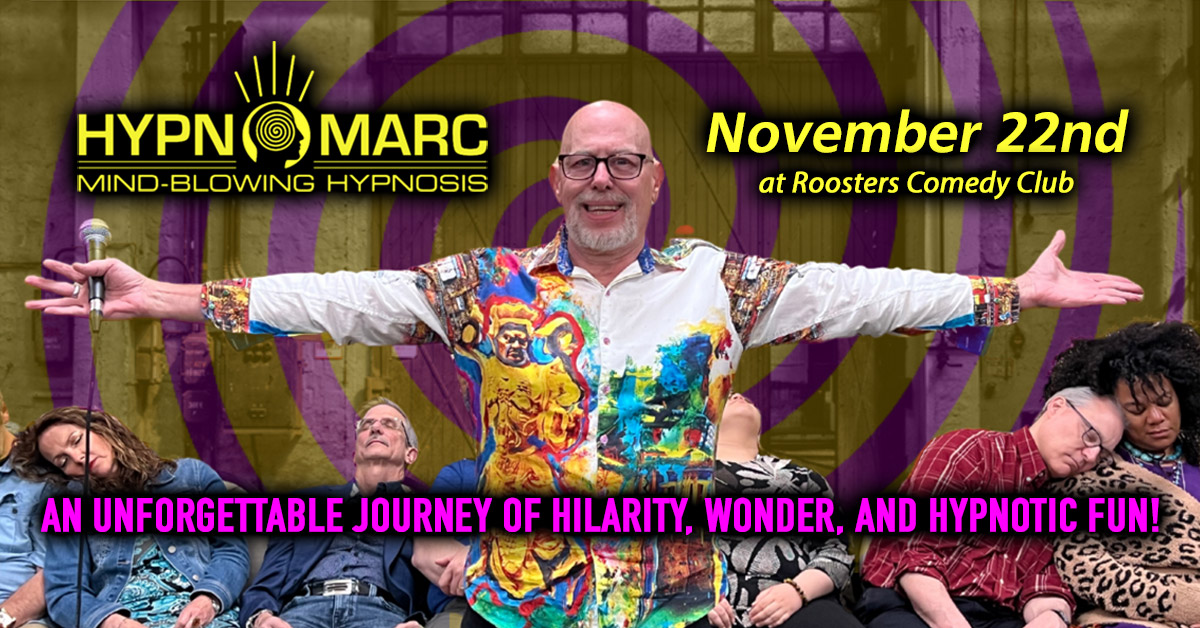
Catch HypnoMarc’s Hypnotic Hijinks Comedy Hypnosis Show at Rooster T. Feathers Comedy Club, Nov 22 @ 8:00 PM.
👉 Get tickets now at 541tickets.com before they disappear faster than your sense of dignity on stage.


#Hypnosis #ComedyHypnosis #HypnoMarc #StageHypnosis #HypnoticHijinks #LiveComedy #MindPower #Entertainment
Halloween Horror Nights 2025: Why Art the Clown Is Re-Igniting America’s Fear of Clowns

Halloween Horror Nights 2025
Why Art the Clown Is Re-Igniting America’s Fear of Clowns

Just in time for Halloween, Universal Studios’ Halloween Horror Nights 2025 has unleashed a new nightmare—Art the Clown. Fans are calling it one of the most terrifying HHN experiences ever, and for people already uneasy around clowns, it’s pure nightmare fuel.

Every year around this season, I get phone calls from people with one very specific phobia: coulrophobia—the fear of clowns. And when a cultural icon of horror like Art steps into the spotlight, that fear skyrockets. People feel trapped, anxious, even paralyzed—sometimes weeks before they set foot in a haunted attraction.

Why Clowns Trigger So Much Fear

The unease isn’t random—it’s deeply wired into how our brains process danger.

  • Generational split: Boomers grew up with Bozo and Clarabel—clowns were goofy, harmless fun.
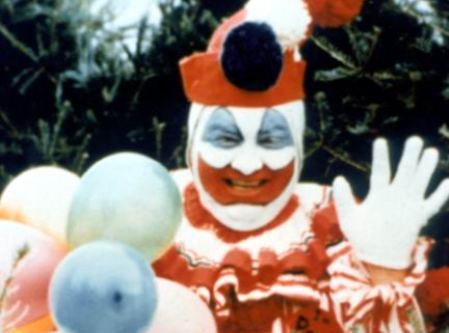
  • The darker turn: Gen-X and Gen-Y were blindsided by John Wayne Gacy, the “Killer Clown,” in the 1970s. Laughter turned to terror overnight.
  • Pop culture fuel: From Pennywise (IT) to Twisty (American Horror Story) to The Joker, clowns became the perfect vessel for evil. Now, Art the Clown is cementing his place at the top of that horrifying lineup.

As Olivia Goldhill wrote in The Telegraph:

“The more you stare at a clown’s perpetually smiling face, the more it warps into something more sinister.”

That frozen smile, the distorted features, the unnatural exaggeration—it all taps straight into the fight-or-flight center of your brain. And once your subconscious files “clown = danger,” the fear loop begins.

Why Halloween Makes It Worse

October is clown season. They’re not just on movie posters anymore—they’re in haunted houses, on front lawns, in commercials, and now headlining the premier Halloween event in the country.

For someone with coulrophobia, it’s not fun—it’s exhausting. Every sighting reinforces the fear, and every avoidance strengthens the loop that keeps the phobia alive.

Hypnosis: The Secret Weapon Against Phobias

Phobias aren’t just “in your head.” They’re subconscious loops—old fear tapes your brain keeps replaying. Hypnosis allows you to rewrite those loops at the source.

I’ve worked with clients paralyzed by fears of clowns, snakes, spiders, heights, bridges—you name it. Once we address the root trigger, the fear dissolves. Imagine being able to walk through HHN—or past a clown costume in the street—without that spike of terror.

Time is Short—Halloween Is Here

This is the moment to decide:

  • Keep avoiding clowns—and spend October stressed, anxious, and on edge.
  • Or break free now—and enjoy the season without panic.

My hypnosis sessions for October book quickly. Once they’re gone, that’s it—you’ll be facing Halloween with the same fear you’ve always had.

STOP letting fear win.
START living free from anxiety.
ACT NOW before Art the Clown becomes your worst nightmare.

Contact me at info@hypnomarc.com or visit www.hypnomarc.com to secure your session today.

About Marc Marshall, CPH

Marc Marshall is a certified comedy hypnotist and clinical hypnotist, author, and motivational speaker who has spent more than 50 years helping people break free from limitations. On stage, his Hypnotic Hijinks of HypnoMarc comedy hypnosis show has entertained audiences across the country with laughter, wonder, and unforgettable experiences.

Off stage, Marc specializes in helping clients resolve trauma, fears, phobias, and stress management—transforming lives through the power of hypnosis. His programs have helped people worldwide eliminate anxiety, overcome phobias, manage pain, quit smoking, and unlock lasting confidence.

Marc is also the author of several books, including:

  • Perception Equals Reality — breaking free from self-limiting beliefs.
  • Your Search is Over: The Ultimate Guide to Finding Your Soulmate — blending hypnosis, coaching, and healing to attract deep connections.
  • Staying in the Moment: Helping Students Achieve More Through Mindfulness Meditation — a guide for educators and students alike.
  • And his soon to be released – There’s No Such Thing As Try

Through both his stage shows and clinical work, Marc’s mission is simple: to help people laugh harder, live freer, and release what holds them back.

Fear doesn’t take the night off at Halloween Horror Nights. But with hypnosis, you can.

(All photos property of respective studios)

“Zen in the Storm: Mastering Mental Anchors for Unshakeable Calm”

“Zen in the Storm: Mastering Mental Anchors for Unshakeable Calm”

Hypnotic Anchors for Creating Calm in Turbulent Times

Life these days feels like riding a unicycle through a tornado while juggling flaming chainsaws, doesn’t it? If you’re not stressed, you’re probably in a coma. But fear not, fellow anxiety aficionados! Today, we’re diving into the world of hypnotic anchors – your personal panic parachutes for when life decides to play bumper cars with your sanity.

What Are Hypnotic Anchors?

Imagine if you could bottle that feeling of pure bliss you get when you sink into a warm bubble bath, or when you finally find that long-lost TV remote. That’s essentially what a hypnotic anchor is – a mental shortcut to your happy place.

Hypnotic anchors are like tiny mind ninjas. They sneak into your brain, set up camp, and stand ready to karate-chop your stress into oblivion at a moment’s notice. It’s like having a pocket-sized therapist, minus the awkward small talk and eye-watering bills.

Why Do We Need Them?

Let’s face it: modern life is a circus, and we’re all clowns trying not to trip over our oversized shoes. Between work deadlines, family drama, and the constant fear that you’ve left the oven on, our stress levels are higher than a giraffe’s mohawk.

That’s where hypnotic anchors come in. They’re your mental emergency brake, your cerebral chill pill, your neurological “nope” button to chaos. When life hands you lemons, hypnotic anchors help you make a margarita – mentally speaking, of course.

Learn to Control Anxiety - Free Gift

Creating Your Own Hypnotic Anchors

Now, before you start thinking this is some kind of voodoo magic or that you need to wear a crystal-encrusted tinfoil hat, let me assure you: creating hypnotic anchors is easier than convincing yourself that kale tastes good. Here’s how:

  1. Choose Your Anchor:

Pick something simple and unique to you. It could be a physical gesture (like touching your thumb and forefinger together), a word, or even a vivid mental image (like a serene beach or a room full of puppies – or both, if you’re into surfing dogs).

  1. Set the Scene:

Find a quiet spot where you won’t be disturbed. Unless you live alone, good luck with that. Maybe try the bathroom – it’s the introvert’s panic room, after all.

  1. Relax:

Take deep breaths. Imagine tension leaving your body with each exhale. Pretend you’re deflating like a sad balloon at a child’s birthday party.

  1. Visualize Your Happy Place:

Picture a scene or memory that fills you with peace and joy. Maybe it’s a beautiful landscape, or that time you found a forgotten $20 bill in your jeans pocket. Pure bliss.

  1. Engage Your Senses:

Really immerse yourself in this mental happy place. What do you see? Hear? Smell? Feel? Taste? (If you taste anything weird, maybe rethink your happy place.)

  1. Activate Your Anchor:

While you’re basking in this Zen-like state, activate your chosen anchor. If it’s a gesture, do it. If it’s a word, say it. If it’s an image, visualize it vividly.

  1. Repeat:

Practice this process several times. The more you do it, the stronger the association becomes. It’s like training a puppy, except the puppy is your brain and the treats are moments of calm.


Learn Powerful Techniques to Change Your Life in My Latest Book … Just click the picture to get your copy.

Using Your Hypnotic Anchor in Real Life

So, you’ve created your anchor. Congratulations! You’re now the proud owner of a mental panic button. But how do you use it when the proverbial poop hits the fan?

Let’s say you’re stuck in traffic, late for an important meeting, and the car in front of you seems to think the brake pedal is a foot massager. Your stress levels are rising faster than your blood pressure. This is your moment!

Activate your anchor. Whether it’s touching your fingers together, whispering your calm word, or vividly picturing your serene mental image, do it now. Take a deep breath and let that calm wash over you like a wave of tranquility (or like spilling your morning coffee, but less messy and more pleasant).

The beauty of hypnotic anchors is that they work anywhere, anytime. Stressful work presentation? Anchor. Family gathering that’s one passive-aggressive comment away from chaos? Anchor. Realized you’ve been walking around all day with your shirt inside out? You guessed it – anchor.

The Science Behind the Magic

Now, I know what you’re thinking: “This sounds great, but is it just some new-age mumbo jumbo?” Well, put on your lab coats, skeptics, because we’re about to drop some science!

Hypnotic anchors work on the principle of classical conditioning. Remember Pavlov’s dogs? The ones that started drooling at the sound of a bell because they associated it with food? Your brain works the same way (minus the drooling, hopefully).

When you consistently pair a specific stimulus (your anchor) with a state of relaxation, your brain creates a neural pathway connecting the two. It’s like creating a shortcut on your mental desktop. Click the icon, and boom – instant calm.

Neuroscientists have found that this kind of conditioning can actually change your brain’s structure and function. It’s called neuroplasticity, and it’s your brain’s superpower. You’re essentially training your brain to respond to stress with calm instead of more stress. It’s like teaching an old dog new tricks, except you’re the dog (no offense).

Moreover, studies have shown that techniques like these can lower cortisol levels (the stress hormone), reduce blood pressure, and even boost your immune system. So not only will you feel calmer, but you might also catch fewer colds. Win-win!

Common Pitfalls and How to Avoid Them

Like any skill, mastering hypnotic anchors takes practice. Here are some common hiccups you might encounter on your journey to Zen mastery, and how to overcome them:

  1. The “It’s Not Working!” Panic:

Rome wasn’t built in a day, and neither is unshakeable calm. If your anchor doesn’t seem to be working immediately, don’t freak out. That’s like panicking because your parachute isn’t working while you’re still on the ground. Give it time and keep practicing. Better yet … use this link to schedule a free no-obligation appointment and let’s get you going.

Hey Marc - Let's Talk

  1. The Forgetful Ferret Syndrome:

You’re in a stressful situation, and you completely forget about your anchor. Don’t worry; it happens to the best of us. Try setting reminders on your phone or leaving yourself sticky notes until it becomes second nature.

  1. The Doubting Thomas Dilemma:

You might find yourself thinking, “This is silly. How can touching my fingers together make me calm?” Remember, it’s not about the action itself, but the association you’ve built. If it helps, pretend you’re a Jedi using the Force. May the calm be with you.

  1. The One-Trick Pony Problem:

Don’t rely solely on your hypnotic anchor for stress management. It’s a powerful tool, but it works best as part of a holistic approach to wellbeing. Think of it as one arrow in your quiver of calmness, not your only line of defense against the stress monsters.

Taking It to the Next Level

Once you’ve mastered the basics of hypnotic anchors, you can start getting creative. Here are some advanced techniques to really up your calm game:

  1. The Anchor Cocktail:

Why settle for one anchor when you can have a mix? Create different anchors for different emotional states. One for calm, one for confidence, one for focus. It’s like having an emotional Swiss Army knife.

  1. The Time Travel Technique:

Use your anchor to “teleport” yourself mentally to a time when you felt incredibly confident or calm. It’s like having a time machine, minus the risk of accidentally becoming your own grandfather.

  1. The Anchor Chain:

Link several anchors together to create a powerful sequence of positive states. It’s like creating a mental domino effect of awesomeness.

  1. The Stealth Anchor:

Develop subtle anchors that you can use in public without looking like you’re attempting interpretive dance. A small gesture or even a specific way of breathing can work wonders.

Remember, the key to success with hypnotic anchors is consistency and practice. It’s like going to the gym for your mind. The more you work at it, the stronger your mental muscles become.

In conclusion, hypnotic anchors are your secret weapon in the battle against stress. They’re like a “Get Out of Stress Free” card in the Monopoly game of life. With practice, you can turn yourself into a Zen master faster than you can say “Ommmm.”

But why stop here? If you’re ready to take your journey to inner peace to the next level, why not consult a professional? Hypnotist Marc Marshall is standing by, ready to help you unlock your full potential and become the best version of yourself.

Don’t just dream about being calm – anchor it into reality! Contact Marc Marshall today for a free, no-obligation consultation. Remember, the only thing you have to lose is your stress. And maybe that nervous eye twitch you’ve developed. And possibly your habit of stress-eating entire boxes of cookies in one sitting. Okay, so you have a lot to lose – all of it good to lose!

So what are you waiting for? Your calmer, cooler, more collected self is just a hypnotic anchor away. Use the link below and reach out to Marc  now, and let’s turn that storm in your mind into a gentle, refreshing breeze. Your future Zen self will thank you!

Hey Marc - Let's Talk

The Role of Visualization in Anxiety Management

The Role of Visualization in Anxiety Management

Do you ever feel like your anxiety is a raging thunderstorm in your brain, complete with thunder, lightning, and torrential downpours of worrying thoughts? Yeah, me too. Anxiety can feel overwhelming and uncontrollable at times. But what if I told you there’s a simple mental technique that may be able to help calm that inner storm? It’s called visualization, and it could be a game-changer for your anxiety management.

Visualization is the practice of creating vivid mental images or scenes in your mind. It’s a skill that’s often used in sports psychology to help athletes perform at their best. But it can be just as powerful for managing anxiety and stress. By imagining calming, peaceful scenarios, you can trigger a relaxation response in your body and interrupt the anxiety feedback loop.

“Visualization is a powerful tool because it allows you to access your subconscious mind and tap into your innate ability to self-soothe,” explains Marc Marshall, a renowned hypnotherapist and anxiety expert. “When you create serene, comforting mental images, it sends signals to your brain that it’s safe to relax.”

So how exactly does visualization work for anxiety?

Well, it goes a little something like this:

Let’s say you’re feeling worried and tense about an upcoming presentation at work. Your heart is racing, your palms are sweaty, and your mind is spinning with anxious thoughts. In that moment, you could close your eyes and imagine yourself in a peaceful, beautiful setting – maybe a sun-dappled forest or a tranquil beach. As you visualize the sights, sounds, and sensations of this calming scene, your body and mind start to respond accordingly. Your heart rate slows, your muscles relax, and your worrying thoughts start to quiet down.

“The key is to engage all of your senses in the visualization,” advises Marshall. “The more vivid and immersive you can make the mental image, the more effective it will be for relieving anxiety.”

Reader Reward -> Grab A POWERFUL Free Gift

So what should you visualize?

That’s the fun part – you get to be creative! Some popular anxiety-reducing visualization scenarios include:

  • A serene, secluded beach with gentle waves lapping at the shore
  • A lush, verdant forest with sunbeams filtering through the trees
  • A cozy, firelit cabin nestled in the mountains
  • A grassy meadow dotted with colorful wildflowers
  • A tranquil lake or pond with calming, reflective water

The key is to choose a scene that feels particularly soothing and restorative to you. It could be a place you’ve been before or a completely imaginary location. The most important thing is that it allows you to feel a sense of peace, safety, and comfort.

And don’t be afraid to get detailed! The more you can engage your senses, the better. Imagine the warm sunshine on your skin, the cool breeze ruffling your hair, the earthy scent of the forest, the soft chirping of birds. The more immersed you can become in the visualization, the more powerful the calming effects will be.

Of course, visualization isn’t a cure-all for anxiety. But it can be a valuable tool in your overall anxiety management toolkit, alongside other strategies like deep breathing, meditation, and talking to a hypnotherapist like Marc Marshall. “Visualization works best when it’s practiced regularly, not just in the heat of the moment,” Marshall advises. “The more you engage in it, the more automatic and effective it will become.”

So the next time you feel that familiar wave of anxiety starting to build, don’t just grit your teeth and bear it. Take a few minutes to close your eyes and transport yourself to your happy place. With a little bit of practice, you may just find that your mental thunderstorm starts to clear up. And who knows, you might even be able to keep your cool during that big presentation after all.

Hey Marc - Let's Talk

Disclaimer: This article is for informational purposes only and should not be considered medical advice. Always consult with a qualified healthcare provider before starting any new treatment plan.